

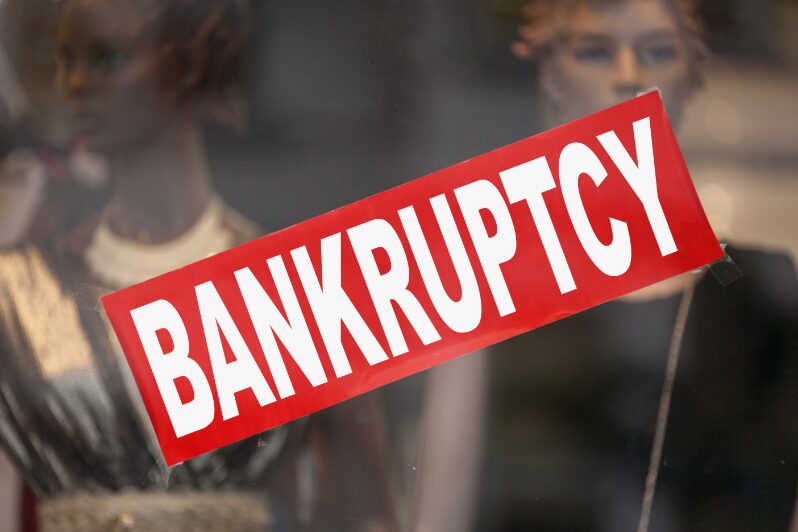
Every year, businesses and individuals in the UAE face serious financial distress that can lead to formal insolvency proceedings. The causes are varied, but several patterns show up consistently, and some of them are genuinely specific to the UAE’s regulatory and residency structure in ways that don’t apply elsewhere. Understanding these causes matters both for recognizing early warning signs and for knowing what options exist under the UAE’s current insolvency framework, Federal Decree-Law No. 51 of 2023, effective 1 May 2024.
Common Causes of Financial Distress and Bankruptcy in the UAE
1. Cash Flow Mismanagement and Over-Leveraged Debt
Businesses that take on debt faster than their revenue can support it, whether through aggressive expansion, poor working capital management, or simply misjudging how quickly receivables actually convert to cash, are among the most common candidates for financial distress. This is a universal business risk, but it shows up particularly often in UAE businesses that scale quickly during strong market periods without building in a genuine cash buffer for downturns.
2. Sudden Job Loss and Visa-Linked Residency Risk
This is a genuinely UAE-specific factor rarely discussed elsewhere: for most expatriate employees, residency status is tied directly to employment. Losing a job doesn’t just mean losing income, it typically starts a limited window before residency status itself is affected, adding real pressure on top of the financial shock of unemployment. Someone who loses their job with outstanding personal loans, credit card debt, or a mortgage now faces both a financial and a residency timeline simultaneously, a combination that doesn’t exist in most other jurisdictions and makes the UAE’s version of this risk genuinely distinct.
Also check: Company Liquidation / Bankruptcy / Insolvency
3. Bounced Cheques and Personal Loan Default
Post-dated cheques remain a common security instrument for loans, rent, and other obligations in the UAE. While the treatment of bounced cheques has evolved considerably, decriminalization has applied to many cases, defaulting on a cheque-secured obligation still carries real financial and legal consequences, and can trigger a chain of default across multiple obligations if the underlying cash flow problem isn’t addressed early.
4. Living Beyond Sustainable Means
This applies to both individuals and businesses: taking on lifestyle or operational costs that only work if income stays exactly at its current level or keeps growing indefinitely. When income dips, even temporarily, there’s no buffer, and minimum payment obligations across multiple debts become genuinely unsustainable. Borrowing from family or restructuring existing debt can buy time, but doesn’t resolve the underlying imbalance unless spending is also brought back in line with actual income.
Must check: Personal / Individual Insolvency Services
5. Divorce or Separation
Divorce meaningfully increases household costs, one household effectively becomes two, while incomes for both parties often don’t increase to match. Jointly held debt, co-signed loans, and shared accounts can leave both parties liable even after separation, and legal fees, asset division, and potential child support obligations compound the financial pressure considerably.
6. Sector-Specific Economic Downturns
Businesses concentrated in a single sector, real estate, hospitality, retail, or trade tied to a specific export market, face real exposure when that sector experiences a downturn. Diversification and genuine stress-testing of the business against a sector-specific slowdown are what typically separate businesses that survive a downturn from those that don’t.
7. Unexpected Losses Without Adequate Insurance
Significant losses from fire, theft, or other unforeseen events can be financially devastating where adequate insurance coverage isn’t in place. This applies to both business assets and, to a lesser degree, personal circumstances, and is one of the more straightforward risks to actually mitigate through proper coverage rather than absorbing the full loss directly.
Options Available Before Bankruptcy Becomes Necessary
We recommend that UAE businesses facing financial distress evaluate their financial position early, devise a debt recovery strategy, and formulate a credit repayment plan together with an approved UAE liquidator or insolvency advisor, rather than waiting until options have narrowed. This can include negotiating short-term deferments with creditors, restructuring existing debt into a longer repayment timeline, or, where the business is still fundamentally viable, pursuing a formal restructuring process under Federal Decree-Law No. 51 of 2023 rather than proceeding straight to liquidation.
Where a business genuinely can’t settle its debts, seeking legal and financial advice on the formal liquidation or insolvency process early gives considerably more options than waiting until creditors have already begun independent action. An experienced advisor can present options tailored to the specific circumstances, rather than a one-size-fits-all path.
Need Expert Advice?
Contact the team at Farahat & Co. for professional support and expert insights for businesses operating in the UAE.
Frequently Asked Questions (FAQs)
What law currently governs bankruptcy and insolvency in the UAE?
Why is job loss a particularly significant financial risk in the UAE?
What happens if a cheque used to secure a loan or rent payment bounces?
Is restructuring an alternative to liquidation for a struggling UAE business?
When should a business facing financial distress seek professional advice?
Are both individuals and businesses covered under UAE insolvency law?
Need Expert Advice?
Contact the team at Farahat & Co. for professional support and expert insights for businesses operating in the UAE.
How Farahat & Co. Can Help
Farahat & Co., a trusted Dubai-based audit and accounting firm, provides liquidation, restructuring, and insolvency advisory services for UAE businesses and individuals facing financial distress.
Contact Farahat & Co. today to discuss your financial restructuring or liquidation requirements.
